
Mastering the Art of Commercial Door Fabrication Techniques for Doors
When it comes to commercial construction, doors are more than just entry points. They are the guardians of security, the first impression of professionalism, and a critical component of building functionality. Mastering the art of commercial door fabrication techniques for doors means understanding the blend of precision, durability, and design that goes into every frame and panel. I’m excited to share insights that will help you navigate this specialized craft with confidence and clarity.
Understanding the Basics of Fabrication Techniques for Doors
Fabrication techniques for doors start with selecting the right materials. Steel, aluminum, and sometimes wood or composite materials form the backbone of commercial doors. Each material offers unique benefits:
Steel: Known for strength and security, ideal for high-traffic areas.
Aluminum: Lightweight and corrosion-resistant, perfect for modern aesthetics.
Wood: Offers warmth and style but requires more maintenance.
The fabrication process involves cutting, shaping, welding, and finishing. Precision is key. For example, when welding steel frames, the seams must be flawless to ensure structural integrity. I always emphasize the importance of clean welds and smooth finishes to avoid weak points that could compromise safety.
Another essential step is the installation of hardware. Hinges, locks, and closers must be integrated seamlessly. This requires careful measurement and alignment to guarantee smooth operation and longevity.

Advanced Fabrication Techniques for Doors
Moving beyond the basics, advanced fabrication techniques for doors involve customization and innovation. CNC (Computer Numerical Control) machines have revolutionized the industry by allowing precise cuts and complex designs that were once impossible or too time-consuming.
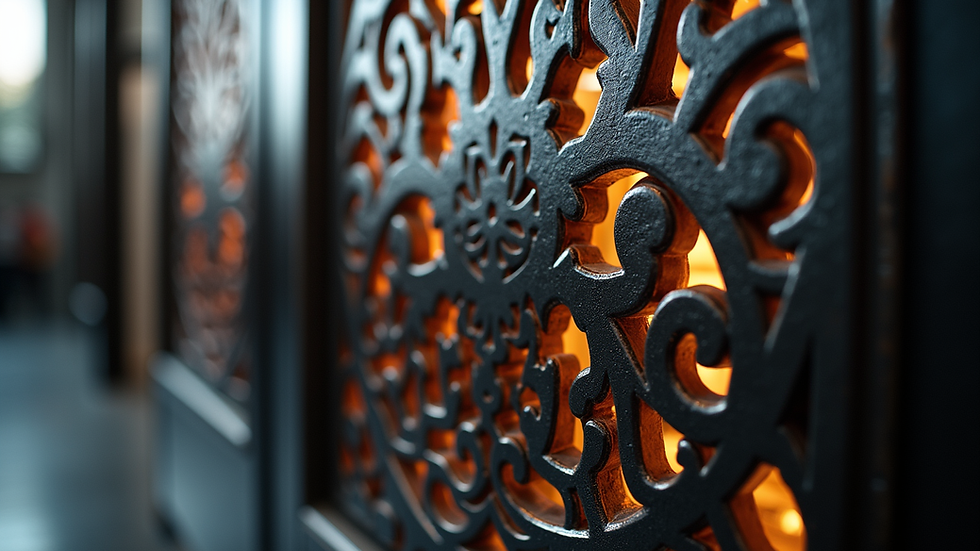
Laser cutting is another game-changer. It produces clean edges and intricate patterns without compromising the material’s strength. This technique is especially useful for decorative commercial doors that need to combine security with style.
Powder coating is a finishing technique that adds durability and aesthetic appeal. It protects metal doors from rust and wear while offering a wide range of colors and textures. I recommend powder coating for any door exposed to harsh weather or heavy use.
Incorporating energy-efficient features is also part of modern fabrication. Thermal breaks and insulated cores help maintain building temperature and reduce energy costs. These features are increasingly important in commercial projects aiming for sustainability certifications.
Choosing the Right Materials for Commercial Doors
Material choice directly impacts the door’s performance and lifespan. For commercial projects, durability and compliance with safety standards are non-negotiable. Here’s how I approach material selection:
Assess the environment: Is the door exposed to moisture, chemicals, or extreme temperatures? For example, coastal buildings benefit from aluminum’s corrosion resistance.
Consider security needs: High-security areas require steel doors with reinforced cores.
Evaluate aesthetic goals: Some projects demand sleek, modern looks achievable with aluminum or glass inserts.
Factor in maintenance: Materials like steel need protective coatings, while aluminum requires less upkeep.
By balancing these factors, I ensure the fabricated doors meet both functional and design requirements.
Integrating Hardware and Accessories Seamlessly
Hardware integration is where craftsmanship meets functionality. The right hardware enhances door performance and user experience. Here are some tips I follow:
Select heavy-duty hinges for doors with high traffic to prevent sagging.
Use multi-point locking systems for enhanced security.
Install automatic door closers to maintain fire safety and energy efficiency.
Incorporate access control systems for modern security needs.
Proper alignment during installation is crucial. Even the best hardware can fail if not fitted correctly. I recommend using templates and jigs to ensure precision.
Ensuring Compliance and Quality Control
Commercial doors must comply with building codes and safety standards. This includes fire ratings, accessibility requirements, and impact resistance. I always verify that the fabrication process aligns with these regulations.
Quality control involves rigorous inspection at every stage:
Checking weld integrity.
Measuring dimensions against specifications.
Testing hardware operation.
Verifying finish quality.
This attention to detail prevents costly rework and ensures the final product performs flawlessly.
Elevating Your Projects with Expert Fabrication
Mastering commercial door fabrication is a journey of continuous learning and adaptation. By embracing advanced techniques, choosing the right materials, and focusing on quality, you can deliver doors that stand the test of time and impress every stakeholder.
If you want to explore how expert commercial door fabrication can elevate your next project, consider partnering with specialists who understand the nuances of this craft. Their expertise can transform complex requirements into precise, innovative solutions.
Doors are more than just openings - they are gateways to success in commercial construction. Mastering their fabrication is mastering the art of building excellence.



Comments